What Are You Reading?
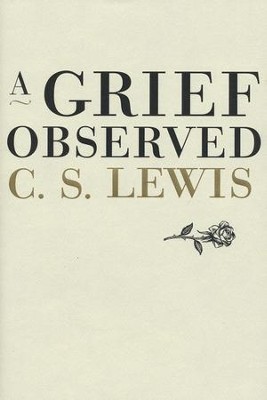
C.S. Lewis “A Grief Observed”
I took several short books to Florida on vacation, thinking it would be simple enough to read and get through some of the books I have had on my list. Sadly, I only made it through “A Grief Observed”. A book worth reading, and pondering. In hopes that I will not forget my thoughts about this book, I decided to blog about it. Maybe this will inspire someone to open it up as well.

Summary
This book is a collection of journal entries describing the grief C. S. Lewis experienced following the death of his wife H. Joy Davidman Gresham. She suffered from cancer soon after they were married. The possibility of their marriage being cut short by her illness was a daily reality for Lewis, but he loved her and they were happily married for four years. These journal entries mark his thoughts as he processed this great loss.

Observations
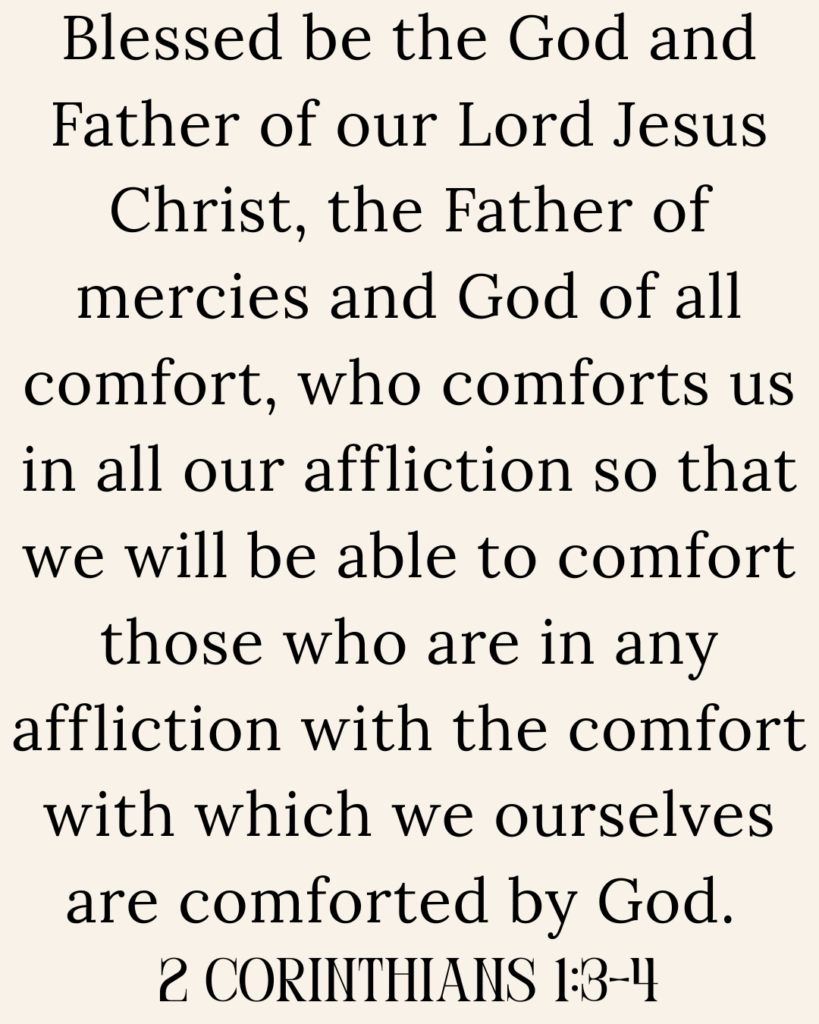
The forward to my copy of “A Grief Observed” was written by a woman who was married for over 40 years before her husband passed away. She shared how her experience of grief was completely different from Lewis’s because of the length of time she was married, among other differences. Though there were differences, she agreed with Lewis in that grief is unique to each individual in each circumstance because no one on earth has ever experienced the loss of that specific person in that specific relationship. This observation was very helpful for me. In my efforts to “comfort others with the comfort that I have been comforted with” (2 Cor. 1:4); it was a good reminder that my experiences are not “gospel” to someone walking through the same type of loss. I can offer comfort but it can only go so far. God is the universal medicine for all sorrow and loss. His Word is the only true consolation for a heart that is broken. I need to strive to be the instrument He uses to pass on the comfort and encouragement even if I have not gone through the same sorrow. Lewis also started the journal entries with descriptions of God as being completely silent or absent. He came to God in prayer and it seemed like He was a locked door with bolts and no answer. Toward the end of his journal entries, he described God again and said, “When I lay these questions before God I get no answer. But a rather special sort of ‘No. Answer.’ It is not the locked door. It is more like a silent, certainly not uncompassionate, gaze. As though He shook His head not in refusal but in waiving the question. Like, ‘Peace, child; you don’t understand.’ Definitely more submissive to God’s will, though it is still not what he would have wanted. A good reminder that we are not in control and our only hope is to trust in the One who is in control.
Conclusion
I would recommend a reading of this book for those who are in a place of sorrow and for those who want to help someone in a place of sorrow. As you read, keep in mind the context since Lewis starts in a very dark place of grief and is making regular, personal journal entries to try to work through his questions and sorrow. Many take his quotes out of context to question whether he had saving faith. It is not a fair reading of this book, especially since he concludes with renewed faith and submission to God’s will for his suffering. Let us all learn from Lewis in our dealings with those who are suffering great loss. Sometimes we sit and weep with those who weep, sometimes we pray with them, sometimes we stay silent, sometimes we share truth. Whatever we do, we do it to the glory of God and out of love for others. We seek His wisdom first and live as His instruments of mercy to those in need. God’s Word is sufficient and we don’t want to pretend that we can be the Holy Spirit for someone.